Good
Stuff
Here
!!!!!!!
Adding Characters
Building Characters for Face Swap Rendering
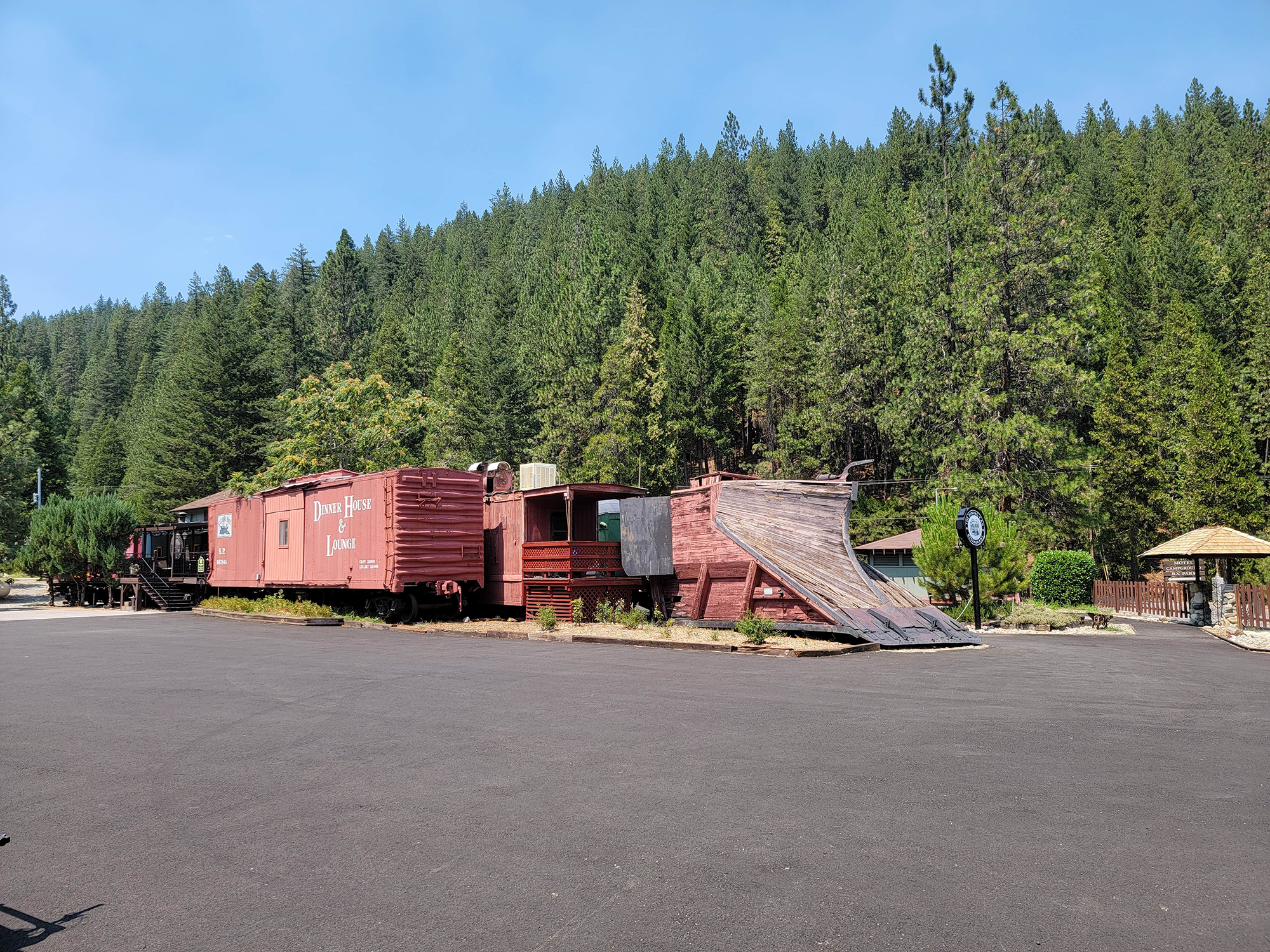
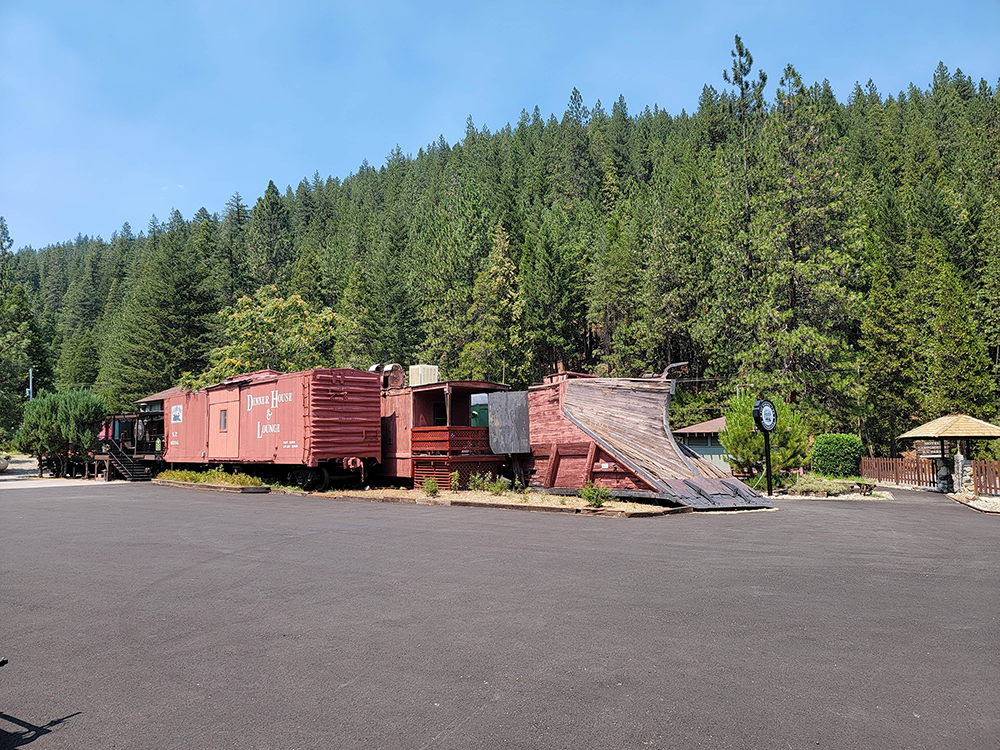
On the right is a reference image of a local restaurant. This image was used as the base environment for generating a new scene that includes five placeholder characters, specifically positioned for later face swapping. Using Lunera, I created a structured prompt to insert these characters into the scene while preserving the original composition, lighting, and atmosphere of the reference image.
Prompt Structure (Key Concept)
The prompt defines each character clearly and consistently, labeling them from left to right as Character 0 through Character 4. This ensures accurate placement and predictable results during rendering and face swapping.
Below is the prompt used:
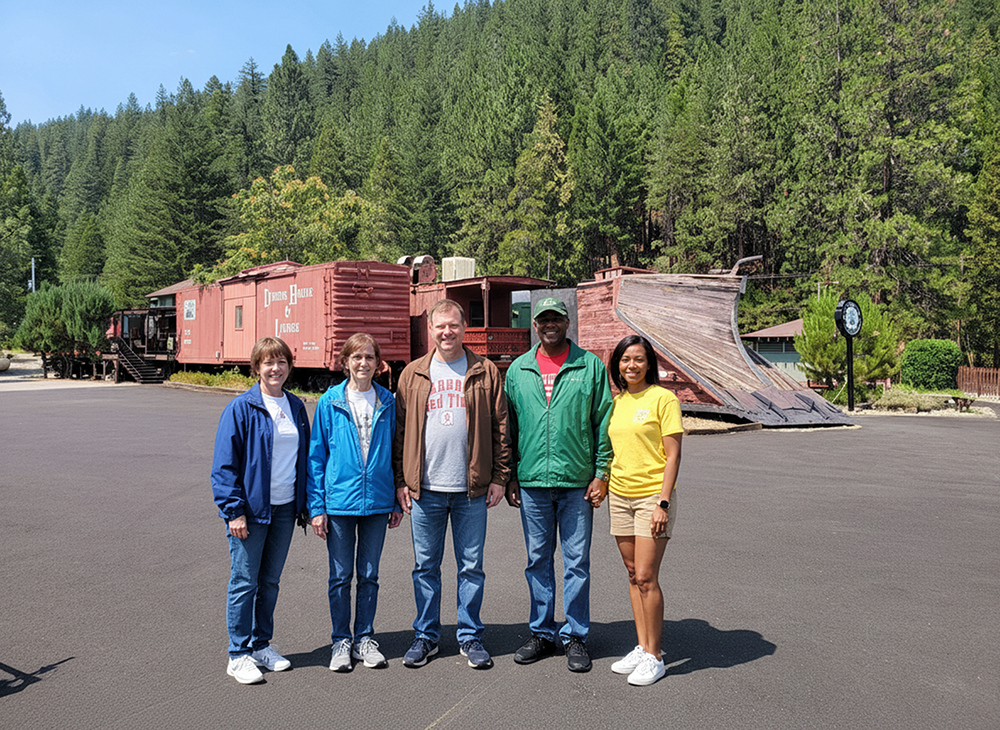
"Family at Railroad Park in Dunsmuir, Ca, cinematic photorealistic, mood: relaxed and weekend tone, highly detailed, professional quality, 8k resolution, There are five people to be rendered into the reference image. I will label them characters 0-4 from left to right and then describe them.
Character 0: She is a woman in her early 50's with a medium build who is 5' tall, with very short over the ear brunette hair that is parted on the right. she is wearing a blue jacket, tee shirt, jeans and tennis shoes.
Character 1: She is an older thin woman in her 70's who also has very short brunette hair for a woman. it is neatly cut and is above her ears. She is 5'5" tall and is wearing a blue windbreaker jacket, with a white tee shirt and jeans and tennis shoes.
Character 2: He is a man in his early 50's who is 6' tall and has short clipper cut brunette hair. He is a little on the heavy side and he is wearing a brown jacket and is wearing a tee shirt that has Alabama Red Tide lettered on it. he is wearing jeans and tennis shoes.
Character 3: He is an African American Man who is also 6' tall with short hair. he is wearing a baseball hat and a green windbreaker with a red tee shirt and jeans and tennis shoes. he is holding hands with character 4.
Character 4: She is an attractive African American Woman who is 5'5" tall with a well toned physique. She has longer hair and is wearing a yellow tee shirt and tan shorts with tennis shoes. She is also holding hands with Character 3.
All The characters are smiling and directly facing the viewer., optimized for Gemini image generation: clear subject, simple camera direction, unambiguous lighting, detailed but not overly verbose style descriptors, square 1:1 composition, use the provided reference image as the base environment: preserve the overall setting, composition, and lighting, but add generic, non-specific human characters in the scene for later face swapping. Do not recreate any specific real person; keep faces generic and neutral."
What This Does:
This process creates a fully rendered image that:
Maintains the original environment and composition. Places correctly positioned, neutral placeholder characters into the scene. Prepares each subject for clean and accurate face swapping. The key is that the characters are intentionally generic. This avoids conflicts with real identities and allows for precise replacement during the face swap stage.
Why This Matters:
By structuring the prompt this way, you: Control exactly how many people appear in the image. Define their position, posture, and interaction Ensure consistency between rendering and face swap workflows Eliminate guesswork during later editing. Instead of trying to fix composition after the fact, you build the scene correctly from the start.
Final Output Workflow:
Once rendered, the image becomes the foundation for face swapping. In this example: The background scene was generated using Lunera’s Gemini cloud rendering. The final face swap was completed using Lunera’s local rendering pipeline (ComfyUI with ReActor nodes). This hybrid workflow allows you to combine fast scene generation with precise local control.